
System Prompts and Models of AI Tools
The AI tools become a new significant element of our life, since they can help us write, answer questions, create images, and even solve problems. But have you ever questioned yourself how AI knows what to say or do?
The answers to these tools are System prompts and System Prompts and Models. Their expertise can help companies, programmers and content developers utilize AI better.

What are System Prompts?
Prompts within the system are instructions/ guidelines accorded to AI models as a guide to the behavior of the AI models. Take into account them as a guide of the AI on what to do.
For example:
- When you ask an AI: Explain this topic as I am 10 years old, the AI will make the language more simple.
- When you provide a creative of the sort such as: Write a funny poem about cats, the AI will go on to create something funny.
The importance of system prompts is that the style, tone and concentration of the AI response can be controlled.
How System Prompts Work
The models of artificial intelligence are trained through bulk of online text. Nonetheless, the AI does not know without encouragement:
- Who it is speaking to
- What style to use
- Which type of a response is anticipated?
System prompts help AI follow context and rules. For instance:
- Business prompt: Write a professional LinkedIn post about marketing trends.
- Casual prompt: Explain SEO like I’m a beginner.
- Technical challenge: Python code writing on search optimization by AI.
With proper prompts, you would be in a position to get the correct, useful and relevant outputs of AI.
What are AI Models?
AI models are the drivers of AI tools.AI models accept the input (your prompts) and give out the outputs (answers, text, code, images).
Some common AI models include:
1. GPT Models
- Developed by OpenAI
- Examples: GPT-3.5, GPT-4, GPT-5-mini
- Applications Good text generation, conversation, summarization, code generation.
2. LLaMA (Large Language Model Meta AI)
- Developed by Meta
- Focus: efficient language understanding and generation
- Good for: research, multi-lingual content
3. Claude AI
- Developed by Anthropic
- Hypothesis: supporting and non-threatening AI reactions.
- Customer care, content management.
4. Gemini
- Developed by Google DeepMind
- Vision: combining search and AI reasoning.
- Best use: integrating web data and answers using AI.
5. Perplexity AI
- Focus: AI search and answering questions
- Good for: AI-powered Q&A and information retrieval
These models vary in size, functionality, and intent, but they are all used by employing prompts to familiarize with what the user wants to know.

How Prompts and Models Work Together
The prompt tells the AI what to do and the model is aware of how to do it. For example:
- Prompt: Email a customer with apology as to why the item was not delivered on time.
- Model: GPT-4
- Deliverables: An apology email by a professional but friendly manner.
The AI might supply in the wrong model or in a timely fashion:
- Too generic or irrelevant answers
- An unwanted text in terms of style and tones.
The appropriate AI model and offering concise system prompts are therefore significant towards the success.
Benefits of Understanding System Prompts and AI Models
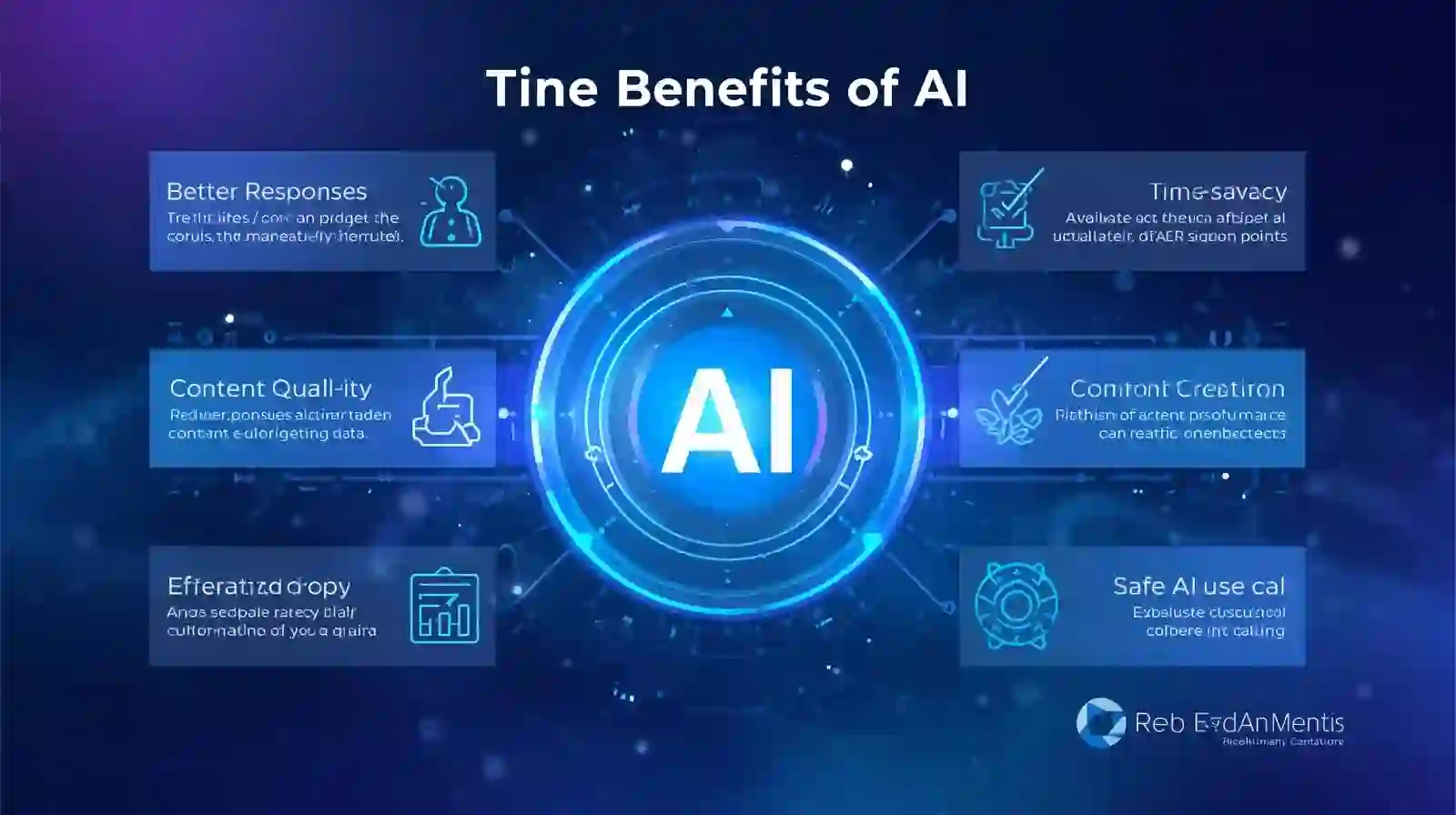
- Better AI Responses – Clear prompts give more accurate outputs.
- Time Saving – Less trial and error: AI understands what to do.
- Custom AI Behavior – Tone, style and focus can be controlled.
- Improved Content Quality – Especially useful for blogs, marketing, and SEO.
- Safer AI Use – Prompts can guide AI to avoid harmful or biased content.
Best Practices for System Prompts
- Be specific: Clear instructions produce better results.
- Use context: Give AI necessary background information.
- Set limits: Mention word count or style if needed.
- Iterate: Refine prompts based on output quality.
- Combine prompts with models: There are some prompts that some models respond to.
Conclusion
The current AI technologies are based on system prompts and AI models. The AI is informed about what to be done but not how to be done and the models decide how. Both of them allow users to deliver high quality content, generate the right answers, and spend less time. No matter whether it is blogs, coding, or answering questions, it may happen that clear prompts and employing the right AI model should contribute to efficiency and results. As AI continues to grow,