The Complete Guide to AI Governance Tools for Modern Businesses
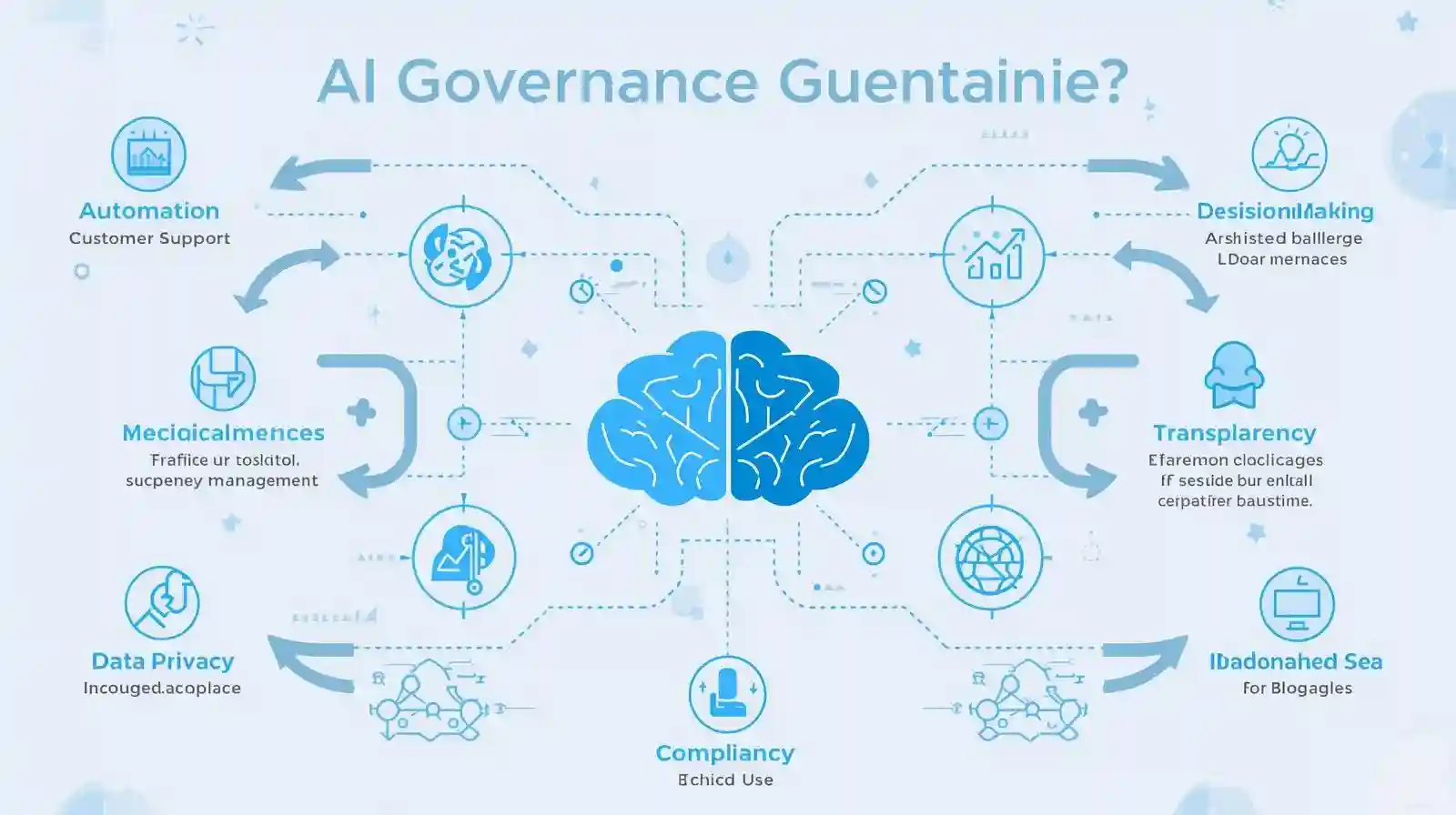
Businesses around the world are discovering new ways of operating because of AI Governance Tools. AI–tools in automation, customer support, analytics and decision making now make up the daily workflow for companies.
As AI adoption continues to accelerate, concerns regarding data privacy, data bias, compliance, transparency of AI usage and ethical AI use continue to rise as well.
Organizations are now asking:
- How can we make sure AI is used responsibly?
- How can we track the decisions and risks associated with AI?
- How do we remain compliant with legal requirements?
-
How can we minimize the potential for bias and misuse of AI?
The essential role of AI Governance Tool :
AI Governance Tools are used to assist an organization in monitoring, controlling, and managing the Artificial Intelligence (AI) systems it has implemented to ensure that they comply and adhere to their ethical mandates of being secure, transparent, and above board.
- AI tools for governance
- Why these tools matter
- How these tools operate
- Primary advantages and functions
- The top AI governance tools on the market
- How to choose the best AI governance tool for you
-
Managing AI in a responsible manner best practices
What Are AI Governance Tools?
AI governance tools are platforms that help organizations manage, monitor, and control the development and use of AI systems.
They ensure AI systems operate in a way that is:
- ethical
- transparent
- secure
- compliant with regulations
- free from harmful bias
These tools provide visibility into how AI models are trained, deployed, and used.
AI governance tools help monitor:
- AI model decisions and behavior
- data usage and privacy compliance
- bias and fairness risks
- model performance and drift
- regulatory compliance requirements
- internal AI usage policies
Instead of leaving AI unchecked, governance tools provide structured oversight and accountability.
Why AI Governance Is Important
Without careful supervision, AI can be very dangerous.
Regulatory Compliance
Many countries are starting to make laws for regulating AI to protect both the public and businesses from information leaks or legal repercussions, and to maintain a positive company image.
Risk Management
AI may bias, or generate false information. Those businesses that use AI must work with ruling authorities to find and mitigate risks prior to negative impact from incorrect AI–based decisions or results occurring.
Trust and Transparency
Using AI responsibly increases trust in a customer organisation’s operations. Transparency allows for more public confidence in an individual business and supports their brand name.
Data Privacy Protection
Governance will help assure that all of the private and sensitive information managed by organisations who employ AI is appropriately protected and used for ethical means.
Ethical AI Usage
AI Governance prevents discrimination, biased actions and unethical decisions by automated systems.
How AI Governance Tools Work
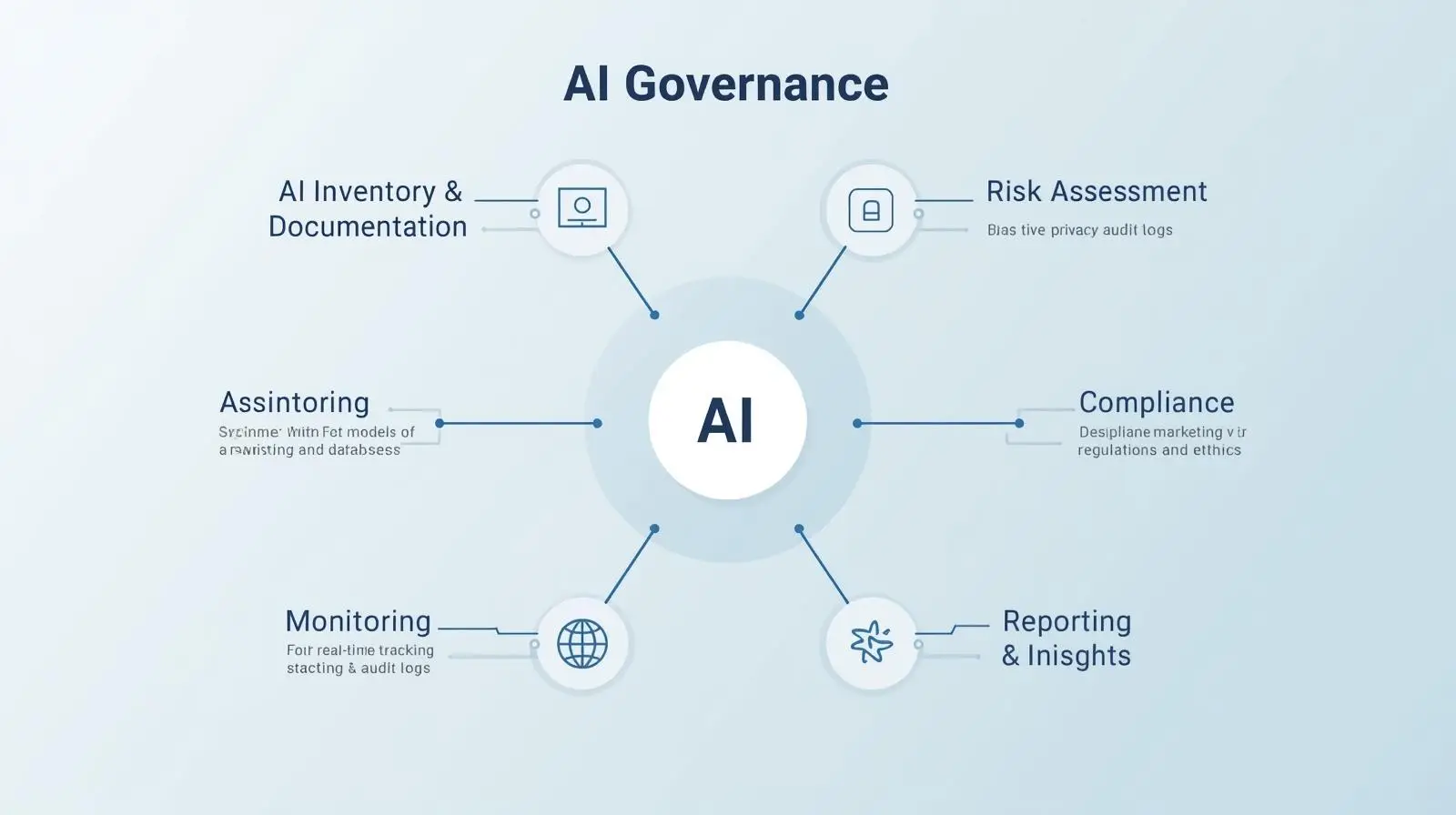
The main purpose of AI Governance tools is to provide some form of oversight over every stage of the AI lifecycle.
AI Inventory and Documentation
These tools assist with the creation of a registry that contains all AI models, datasets and workflows utilized by the business organization.
Risk Assessment
These tools analyze various types of risk associated with AI including bias, privacy risks and compliance gaps.
Monitoring and Auditing
Governance Platforms will continuously monitor the performance of the model, decisions made by the model and its usage while maintaining a log of the activity associated with these aspects of the model.
Compliance Management
The objective of these tools is to ensure that AI systems comply with regulatory and ethical standards.
Reporting and Insights
Dashboards will provide an individual with a visual representation of how compliant the AI system is, risks associated with and performance metrics of that particular AI system.
Key Features of AI Governance Tools
Model Monitoring
Monitor performance, accuracy and model drift.
Bias and Fairness Detection
Assess and minimize discriminatory results.
Audit Trails and Documentation
Ensure compliance and transparency.
Role-Based Access Control
Who is allowed access and change AI systems.
Risk and Compliance Reporting
Make sure that it is consistent with rules and company rules.
AI Usage Visibility
Track the usage of AI tools in the organization by teams.
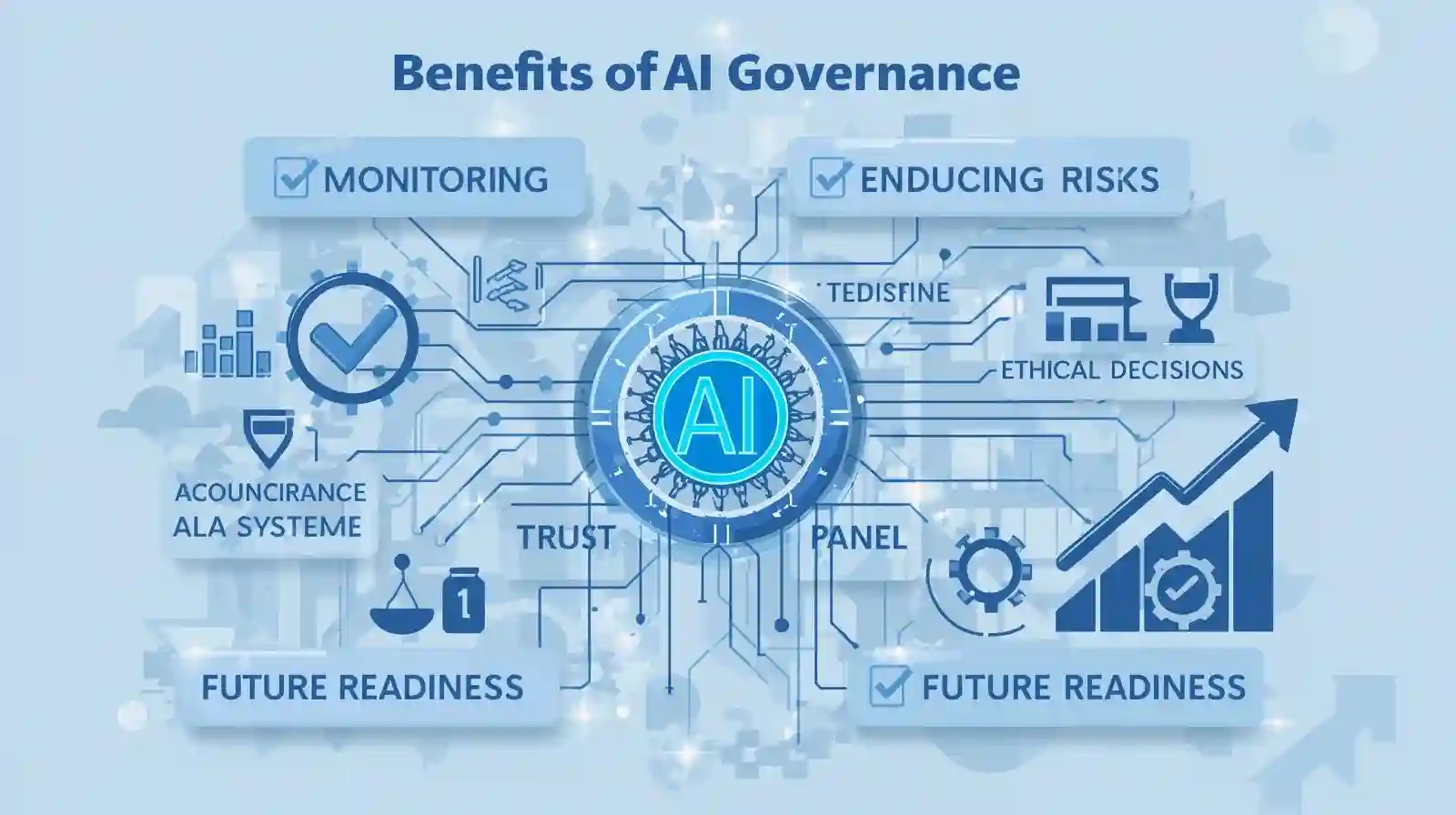
Benefits of AI Governance Tools
Reduced Legal and Compliance Risk
Eschew penalties, infractions and legal liability.
Responsible AI Deployment
Ensure ethical and fair AI decisions.
Increased Transparency
Provide clear documentation and accountability.
Improved Trust and Brand Reputation
Custodial AI practices create customer confidence.
Better Decision-Making
Lasting AI systems will result in improved business performance.
Centralized Oversight
Operate all AI system under a platform.
Best AI Governance Tools
The following are the major platforms available in the field of AI governance and responsible AI management.
IBM Watson OpenScale
A monitoring governance platform of fairness, transparency, and model performance.
Key features:
- bias detection
- model explainability
- performance monitoring
- lifecycle tracking
Best applicable to businesses that need high compliance and transparency.
Microsoft Responsible AI Tools
The governance capabilities offered by Microsoft are Azure AI and responsible AI dashboards.
Key features:
- fairness assessments
- interpretability tools
- compliance tracking
- risk evaluation
Perfect in organizations that make use of Microsoft AI services.
Fiddler AI
Fiddler emphasizes on AI monitoring, explainability, and fairness.
Key features:
- bias detection
- model monitoring
- explainable AI insights
- real-time alerts
Applicable to teams that are performance and transparency oriented.
DataRobot AI Governance Platform
DataRobot is used to make AI responsible in the deployment and management of AI by organizations.
Key features:
- risk management
- model lifecycle governance
- compliance reporting
- audit logs
Most appropriate in regulated industries.
H2O.ai Responsible AI Framework
H2O.ai is a platform of fairness, transparency and risk management.
Key features:
- bias detection
- explainability reports
- compliance insights
- model transparency
Best suited in case an organization is concerned about ethical AI.
ModelOp Center
ModelOp provides governance and operational oversight for enterprise AI.
Key features:
- AI lifecycle governance
- risk monitoring
- compliance workflows
- model inventory tracking
Large-scale AI operations are good with it.
Open Source Governance and Workflow Tools
Governance can be aided with the help of open-source tools and visibility/traceability.
Apache Airflow
- workflow logging and audit trails
- role-based access control
- pipeline transparency
Kubeflow and MLflow
- model tracking
- experiment transparency
- workflow standardization
These tools support governance through improved visibility and process control.
How AI Governance Improves Business Strategy
Compliance is not the only issue of AI governance. It is also an enhancer of business performance.
Organizations can:
- create reliable artificial intelligence.
- improve data reliability
- reduce operational risks
- strengthen customer trust
- align AI with business values
Governance should be responsible to maintain long-term growth with the help of AI.
How to Choose the Right AI Governance Tool
The following are some of the things to consider when choosing a tool:
Compliance Requirements
Make sure that the tool facilitates the pertinent regulations and standards.
Scalability
Select an option that expands alongside your AI initiatives.
Integration Capabilities
Make sure that it is compatible with your current systems and workflows.
Monitoring and Reporting
The real time insights and transparent dashboards are to be found.
Ease of Use
The adoption is enhanced with user-friendly tools.
Challenges in AI Governance
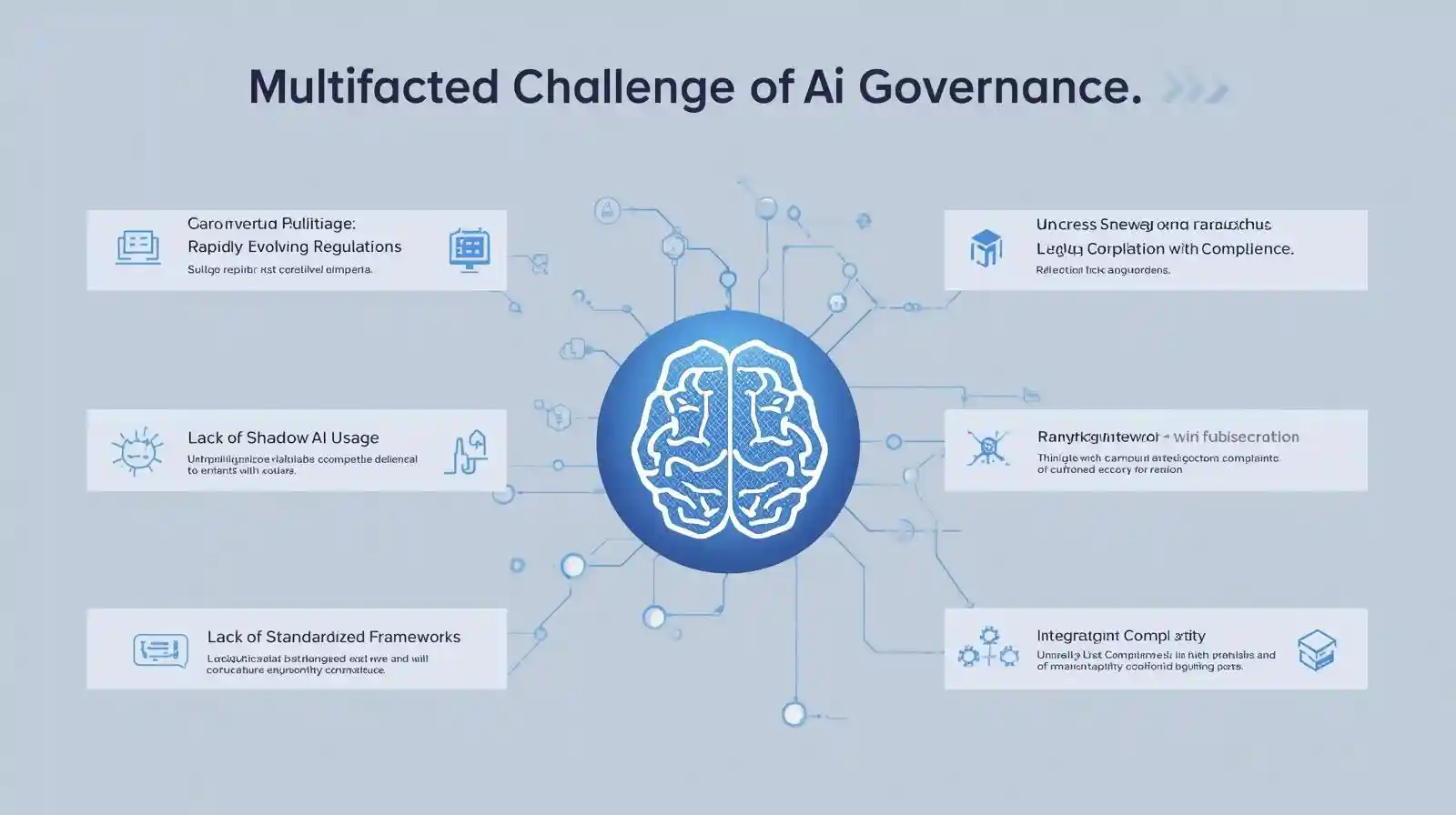
The challenges that may be encountered in organizations are:
- fast changing regulations.
- illegal or shadow AI application.
- absence of standardized structures.
- integration complexity
- striking a balance between compliance and innovation.
To overcome these challenges, there should be clear policies and governance structures.
Best Practices for Responsible AI Governance
- establish clear AI usage policies
- maintain documentation and audit trails
- monitor models continuously
- evaluate bias and fairness regularly
- educate the employees about responsible AI-use.
- align AI initiatives with ethical standards
Good governance depends on consistency.
Future of AI Governance
With the increasing use of AI, governance will become a key business demand.
Future trends may include:
- more stringent regulatory policies.
- grew the need of explainable AI.
- special governance criteria in the industries.
- automated compliance control.
- increased focus on ethical AI practices
Companies investing in the present day governance will be able to adapt better to future regulations and risks.
Conclusion
Artificial intelligence can be used responsibly in an organization only through AI governance tools. They aid in oversight of AI systems, adherence, mitigation of risks, and advocacy of ethical decisions.
The use of governance practices can help businesses gain more through the innovation of AI and enhance transparency as well as build trust and reputation.
With the changing regulations and increased use of AI, the future will be more favorable to organizations that invest in governance today.