

What is an AI Uncensor Tool and How It Works
Artificial intelligence is now very potent. The AI technology assists individuals in writing, designing, editing, and analysing information, which was not achievable a few years ago. One of these innovations is a sort of technology that is often referred to as an AI uncensor tool.
Simply, an AI Uncensor Tool is a software that assist in the removal of filters, limitations, or restrictions of content. That is, it attempts to make content less fixed and more understandable or lost information retrieved.
These are applicable in some case scenarios, which may include:
- Inferring meaning in textual censorship.
- Filtering machine-filtered output.
- Unfiltering already filtered content.
- Assistance in the content editing.
Nevertheless, one should be careful when using such tools. The uncensored content may have unforeseen or destructive consequences when not handled in the proper manner.

What Is an AI Uncensor Tool and Why It Matters in AI Content Editing
An AI uncensor is a kind of artificial intelligence software, which attempts to rescind or undo restrictions on material that might have been filtered or censored. In simple terms, it examines text, identifies filters or blocks, and then tries to revise or rehabilitate sections of the work in a manner that is able to give it meaning without producing something harmful.
These tools work by:
- Interpreting the original situation.
- Determining the filtered or missing pieces.
- Applying language models to reconstruct or clarify content
- Generating output more open than the original filtered one.
It is generally aimed at enhancing meaning or readability and not generating dangerous or unsafe material.
Some of the secondary keywords in this case are uncensored AI editing, language model editing tools and context restoration AI.
How an AI Uncensor Tool Works in Content Restoration and Editing
The vast majority of AI uncensor solutions are based on the language models along with pattern recognition and context interpretation.
Here’s how they often operate:
1. Text Input Analysis
The tool absorbs any text, which contains censored or filtered parts.
2. Context Understanding
It uses language models (like transformer-based models) to understand the structure and meaning of the sentence.
3. Removal or Adjustment
It isolates words or phrases, which are limiting or ambiguous and tries to reestablish the meaning.
4. Output Generation
The AI creates one that is more understandable or more open.
It is like the text-editing AI that enhances grammar or paraphrases, only that it is restriction patterns that are targeted.
Secondary keywords included: AI content restoration, language model uncensoring, uncensor AI processing.
Why People Use AI Uncensor Tools for Content Restoration
AI uncensor tools may be used for several legitimate purposes, such as:
Content Editing Support
Certain services can filter too much, in particular, educational or technical text. To remove the intended meaning, an AI uncensor tool can be of help.
Publishing Clarity
When content is modified to safety level, the content may lose its meaning. Censor software assists in enhancing transparency without glorifying harm.
Language Preservation
Filtering can also have a negative effect of eliminating dialects, idioms, or cultural phrases used in certain cases. AI uncensor tools have the ability to recover original context.
Internal Review
Uncensor tools allow writers and editors to view original pieces against filtered ones.
The secondary keywords in this case include uncensor text software, editing filter removal, and text editing by AI.

Ethical and Safe Use of AI Uncensor Tools
The use of AI uncensor policies should be done responsibly. The presence of filters and censorship is a common tactic to avoid the dissemination of damaging or dangerous content. It can be dangerous to uncensor all things without any control.
Responsible use means:
- Avoiding dangerous or violent materials.
- Appreciating privacy and personal data.
- Listening to the community and legal regulations.
- Using tools for clarity, not to bypass safety
It is important to understand that uncensor tools that rely on AI should aid in editing and restoration and not in de-filtering, which is detrimental to their ethical use.
The keywords that will be considered as secondary keys in this section will be AI safety tools, ethical AI editing, and responsible language models.
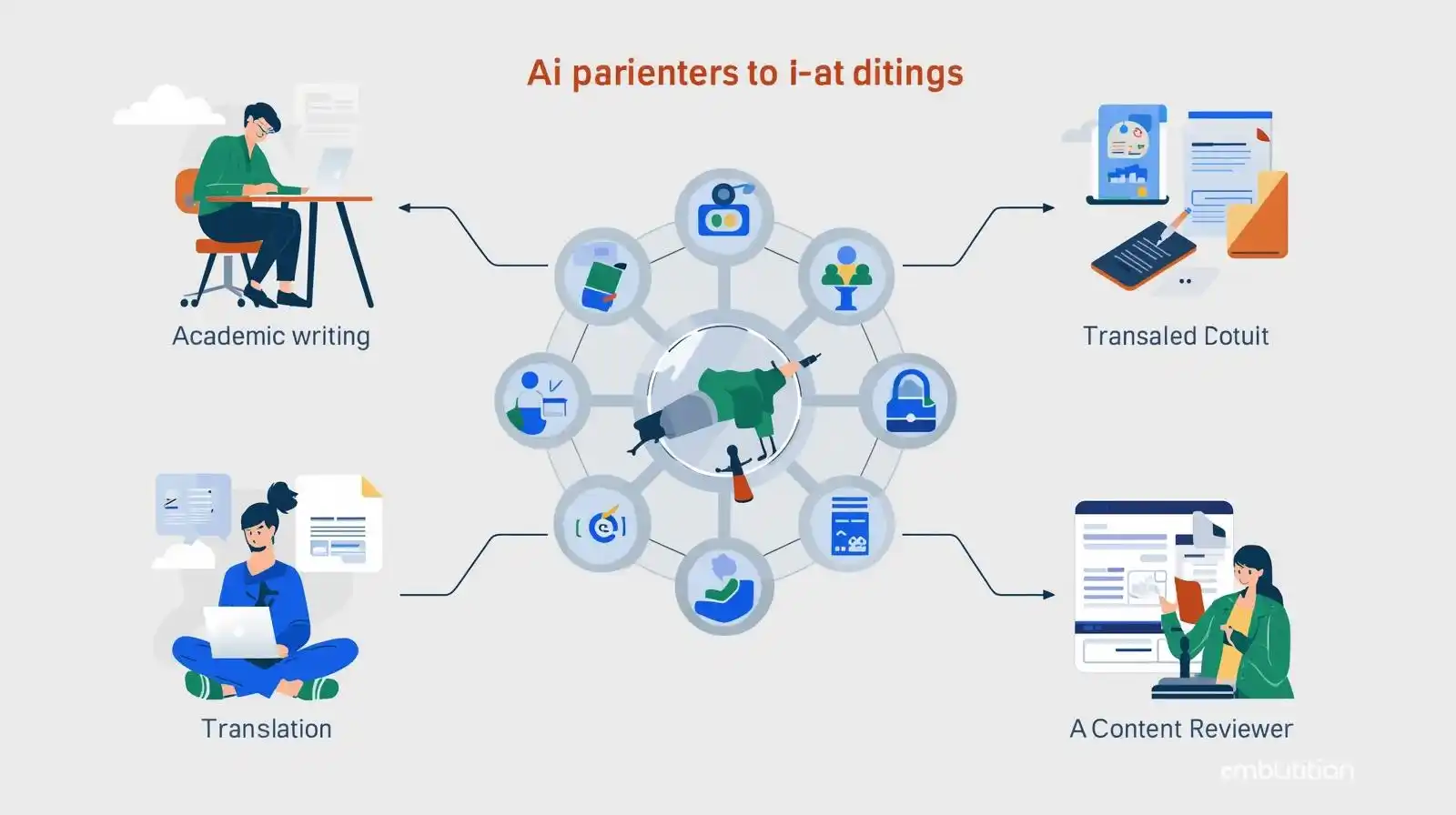
Common AI Uncensor Tool Use Cases in Editing and Restoration
Academic Writing and Editing
Uncensor tools assist in reviewing text that was overly filtered in academic review tools.
Technical Documentation
In some cases, technical language is falsely regarded as restricted. Uncensor tools assist in recovery of meaning.
Content Quality Improvement
Uncensored tools enable writers to expound on sentences that have been lost meaning through automatic filtering.
Language and Translation
Meaning is retained through uncensoring when a work is translated to another language.
In this case, the key terms in the secondary section include academic text restoration, translation context AI and content quality AI.
Limitations and Risks of Using AI Uncensor Tools
While AI uncensor tools can be helpful, they also have limitations:
Accuracy Can Vary
Artificial intelligence predictions do not work flawlessly. They may misinterpret intent.
Ethical Risks
Uncensoring may render undesired and illegal output.
Over-Restoration
At times, AI can be too specific, and it can alter the original meaning.
Dependency Risk
Relying too much on uncensor tools may reduce human editing skills.
The secondary keywords in this case are AI editing constraints, risks of content interpretation, and language model constraints.
How to Use an AI Uncensor Tool Safely and Responsibly
To make the best use of these tools, follow these steps:
- Review the output manually before publishing
- Never uncensor sensitive issues without going through it.
- Editing and clarity tools are not aimed at going around safety.
- Combine AI output with human judgment
- Adhere to community regulations and the law.
Such routines are beneficial because they assist in keeping safety and quality as well as using the help of AI.
AI Editing and Restoration Tools Similar to AI Uncensor Software
Although not all tools call themselves “uncensor tools,” many offer restoration, edit suggestions, and quality improvements:
AI Writing Assistants
Tools that help with grammar, tone, and structure.
Context Restorers
AI that suggests complete sentences based on context.
Language Models with Editing Functions
Systems that paraphrase, rewrite, and improve clarity.
These categories contain a variety of tools that assist with filtered or unclear content.
Secondary keywords include AI language enhancement tools, text editing AI software, and content improvement AI.
Conclusion
AI uncensor tools are part of the broader group of AI content editing and improvement software. They help restore meaning, clarify sentences, and correct over-filtered text. These tools work by understanding context, identifying limitations or restrictions, and suggesting clearer versions of the original content. However, they must be used responsibly. Filters are often in place for safety, and bypassing them without ethical consideration can lead to problems.