
In modern times, visual representation has become crucial in the field of architecture, design, and real estate. Clients often demand that their projects have realistic designs even before they start any construction work. Here’s where Visual AI and Multimedia come into play.
With advancements in technology, it has become easier than ever for architects to produce high-quality visualizations, renders, and conceptual designs in seconds.
In this blog post, you will find out about the most popular AI tools for architectural visualization and how they can help optimize your workflow.
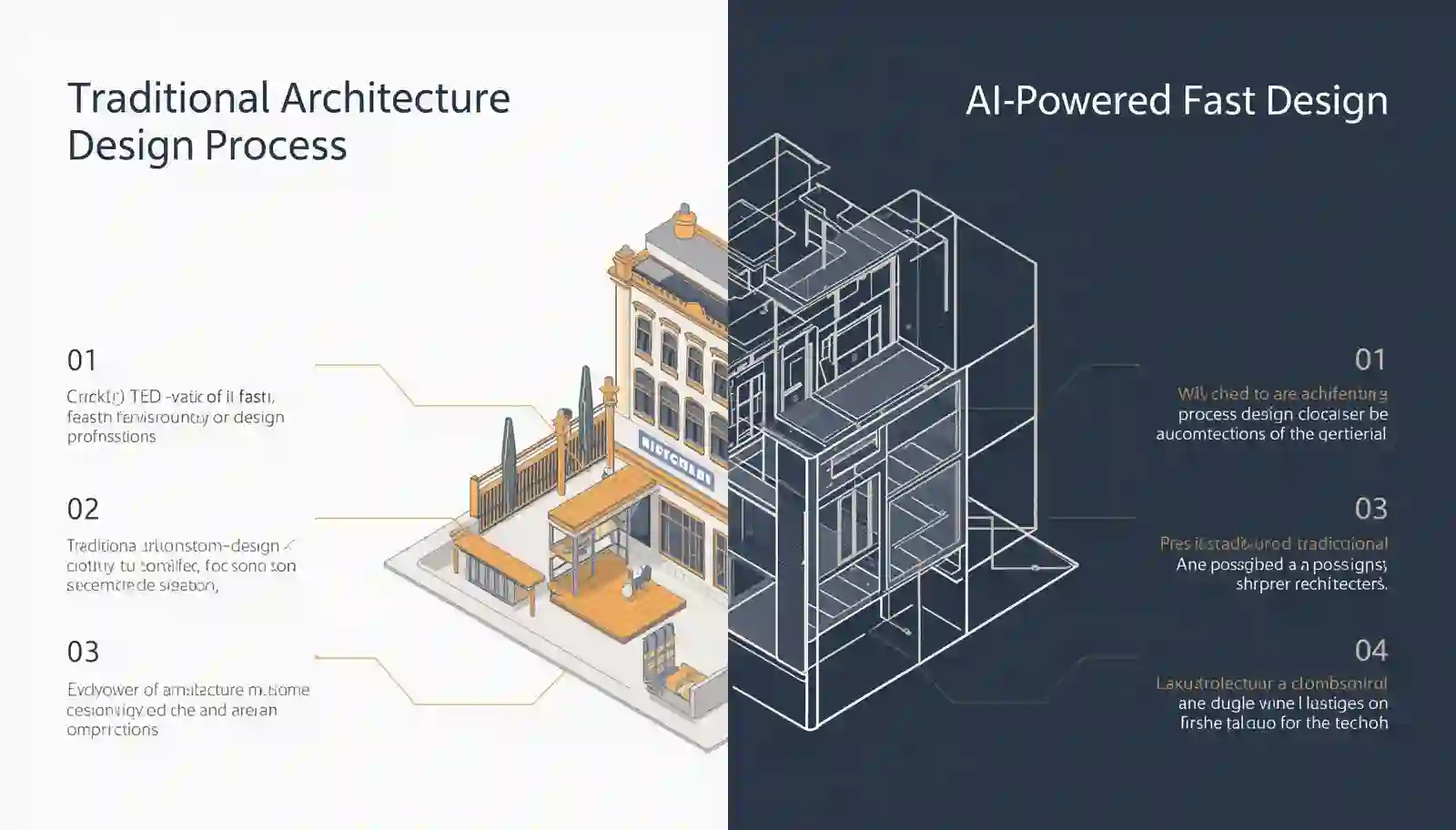
What is AI Architectural Visualization
AI architectural visualization refers to the creation of visual representations of architectural structures using artificial intelligence software.
Here’s what you can achieve through AI architectural visualization:
- 3D models
- Interior designs
- Exterior renderings
- Floor plans
- Walkthroughs
AI makes it easier to create visuals that are lifelike and easily understandable and presentable.
Why Use AI Tools for Architecture
There are multiple reasons why it is now essential to use AI technology in architecture.
Time Saving
AI makes the process of modeling and rendering shorter.
Improved Quality
AI tools generate realistic and highly detailed design solutions.
Economy
It saves on costs and eliminates the need to purchase specific software.
User-friendly
Even novice users can create professional designs.
Better Client Presentation
Visual aids help in presenting ideas to clients.
Best AI Tools for Architectural Visualization
It is good for generating creative ideas and concepts from texts.
Midjourney
This tool is great for generating creative architectural concepts and design ideas from text prompts.
DALL-E
It is useful for creating building visuals and design inspirations.
Runway ML
It helps in editing visual content related to architecture.
Canva
It is good for presentations, layout creation, and mood boards.
Luma AI
It is utilized in designing 3D scenes and environments.
How AI Tools Help in Architectural Design
AI tools aid at different stages of design process.
Concept Generation
Generate concepts with the help of prompts.
3D Modeling
Create structural solutions automatically.
Rendering
Create realistic images that include lighting and textures.
Presentation
Create professional-looking visuals for your clients.
Step by Step Process to Use AI Tools
Here is how you can utilize AI to visualize architectural concepts.
Step 1 Choose the Right Tool
Find the right tool to create your visualizations.
Step 2 Enter Your Idea
Describe your idea of the design.
Example:
Modern house design with glass walls and natural lighting
Step 3 Generate Visuals
Allow the AI to create the designs.
Step 4 Review the Output
Verify if it corresponds to your initial concept.
Step 5 Refine the Design
Modify and perfect the result.
Step 6 Export the Final Result
Download your design for presentation.
Tips for Better Architectural Visualization
The following recommendations will help achieve great results.
Use Specific Prompts
Include material types, lighting effects, and more.
Focus on Realistic Models
Add details such as wood, glass, or concrete textures.
Use Different Lighting Effects
Enhance the design with proper lighting.
Keep It Simple
Avoid complicating the designs needlessly.
Test Multiple Versions
Generate different versions for your concept.
Common Mistakes to Avoid
Don’t make these mistakes.
Using Vague Prompts
This causes poor outcomes.
Neglecting Details
They make visualizations better.
Over Designing
Details may confuse the audience.
Failing To Review Outputs
Always check AI-generated designs.
Use Cases of AI in Architecture
There are many applications of AI tools.
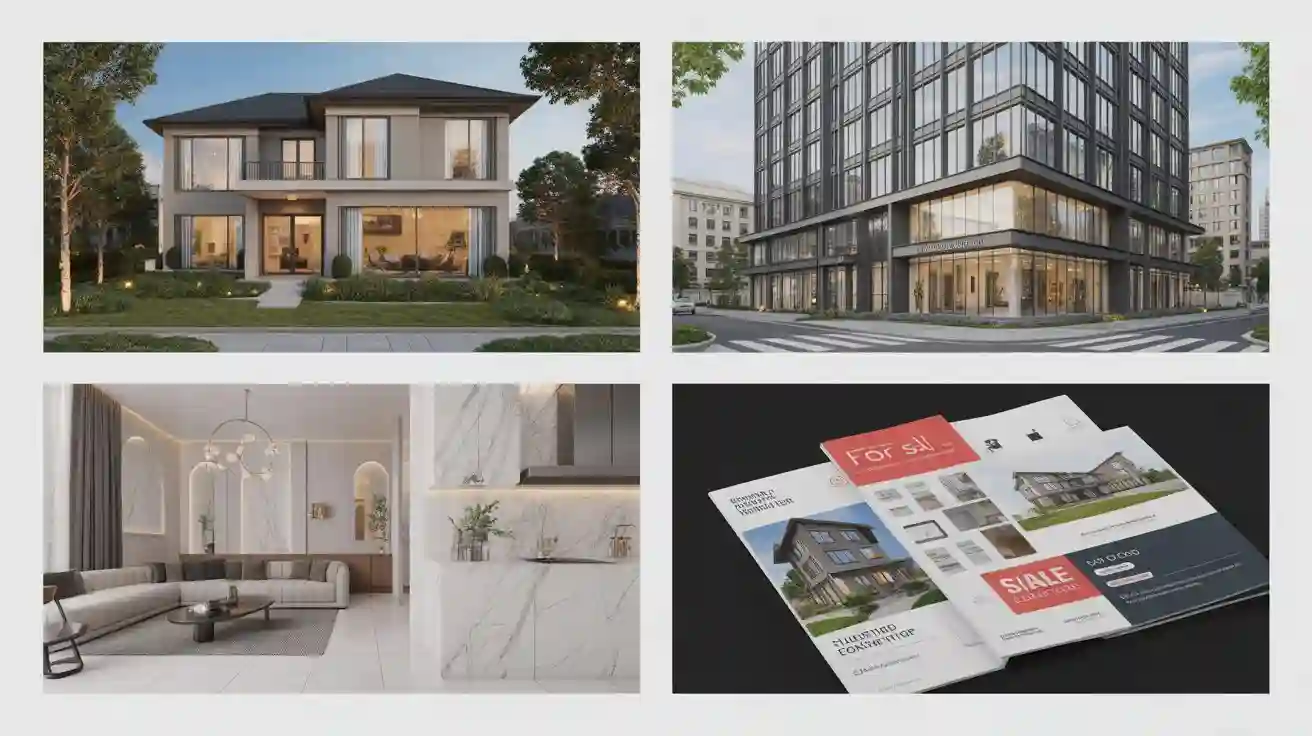
Residential Design
Produce home designs and visuals.
Commercial Projects
Build commercial offices, shopping centers, and other structures.
Interior Design
Generate interior designs.
Real Estate Marketing
Create marketing visuals of properties.
Role of AI in Visual AI and Multimedia
Architectural visualization is a significant aspect of Visual AI and multimedia.
It enables architects to:
- Generate quality visuals
- Enhance communication
- Improve design processes
- Make digital presentations
Therefore, AI is an indispensable tool for architects.
Benefits for Architects and Designers
These tools give many benefits.
Faster Workflow
Finish projects quickly.
Better Creativity
Develop creative designs.
Cost Reduction
Decrease manual effort.
Improved Client Experience
Present realistic visual designs.
Future of AI in Architecture
AI tools are transforming architecture.
In future years:
- Designs will be automated.
- Visualization tools will make visuals more realistic.
- AI will aid in complete project planning.
- Virtual reality will merge with AI.
This will revolutionize architectural design.
Best Practices for Using AI Tools
Follow these best practices.
- Develop clear prompts.
- Think about realistic details.
- Review and refine the outputs.
- Merge AI and manual creativity.
- Maintain design consistency.
Conclusion
AI tools used for designing visualizations in architecture have revolutionized the design industry by making things easy, efficient, and fast.
Using AI technology in designing visualizations along with the use of multimedia has made it possible for even novices in architectural design to easily create quality designs in very little time.
AI visualization tools are not only helpful for professionals but are equally useful for beginners as well.
With growing AI technology in architecture design, AI tools will play a major role in the future.
